Photo Courtesy of Lara Schäfer Source: Unsplash
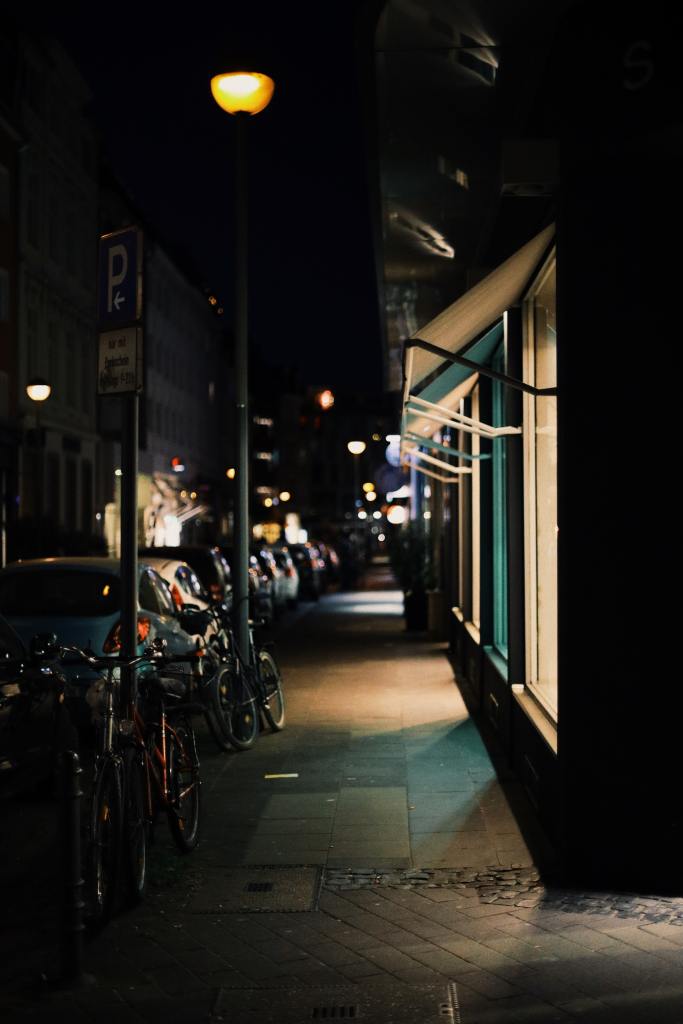
Earlier this semester I came across an interesting article on Wired that talked about the rise of dark stores. Before reading the article, I had never heard of the term dark stores which are empty storefronts where online grocery companies store their goods. The rise of dark stores represents the acceleration of online grocery shopping which increased due in large part to the COVID-19 pandemic. The increase of grocery delivery apps has led to the rise of these. Walking by dark stores, people may notice that employees are racing in and out, but unlike traditional grocery stores, customers are not allowed inside.
Dark Stores are typically located in retail storefronts in the middle of busy neighborhoods, but these only serve e-commerce customers. Dark stores are not only changing the way Americans consume products, but they are re-designing our neighborhoods.
According to the article by Wired, “Online sales represented 13 percent of all grocery spending in 2021, a new high, and dark stores are designed to make the delivery process smoother” (Waters, 2022). Since the pandemic, more consumers have been relying on delivery services to get their groceries. The dark store concept has become very popular that companies such as DoorDash are now opening DashMart convenience stores (which are closed to customers).
My Opinion about Dark Stores
I was blessed to grow up in a neighborhood in East Denver where I could conveniently walk to various grocery stores. I cannot imagine these stores being vacant and/or not allowing customers to shop inside. It makes me sad to think this is what our future might look like.
While I understand how practical grocery delivery services are for many of us, I do not like the idea of getting rid of grocery stores altogether. I love grocery shopping and enjoy being able to pick out my produce and other products. A grocery store is a place where I have fond memories of running into an old friend or acquaintance. Grocery shopping is sometimes the best distraction and perfect excuse to catch a break from my crazy work and school schedules.
One of the things I missed the most at the beginning of the pandemic was the social interaction I had with friends, family, and even colleagues. While many of us stayed connected using digital platforms like Zoom, Facetime, and even Netflix (watch parties), there is nothing like human-to-human interaction.
Possible Implications of Dark Stores
Unfortunately, as more grocery stores are “going dark” these seem to disproportionately affect lower-income neighborhoods. In addition, replacing public-facing grocery stores in lower-income areas could only exacerbate problems of food access. “People who pay for groceries with food stamps are often unable to order groceries online, not to mention that they might not have access to a smartphone or can’t afford the delivery fee” (Waters 2022).
While it may be easy for many of us to access digital platforms, it is important to think about the negative impacts these can have on lower-income communities. The thought of lower-income communities being impacted by the change in grocery shopping is something that is crucial to keep in mind, regardless of whether or not this will impact us directly.
Questions to Consider
With grocery delivery services we must think about who is profiting and benefiting from this major shift? How will these affect local, family-owned markets/grocery stores? Most importantly, how will this shift further affect marginalized communities?
Reference:
Waters, M. (2022, February 22). Online Shopping Is Reshaping Real-World Cities. Wired. Retrieved February 22, 2022, from https://www.wired.com/story/dark-stores-ecommerce-cities-urban-planning/
 Meet Natalie Torres